services
Pelvic strengthening for menopause and aging
-
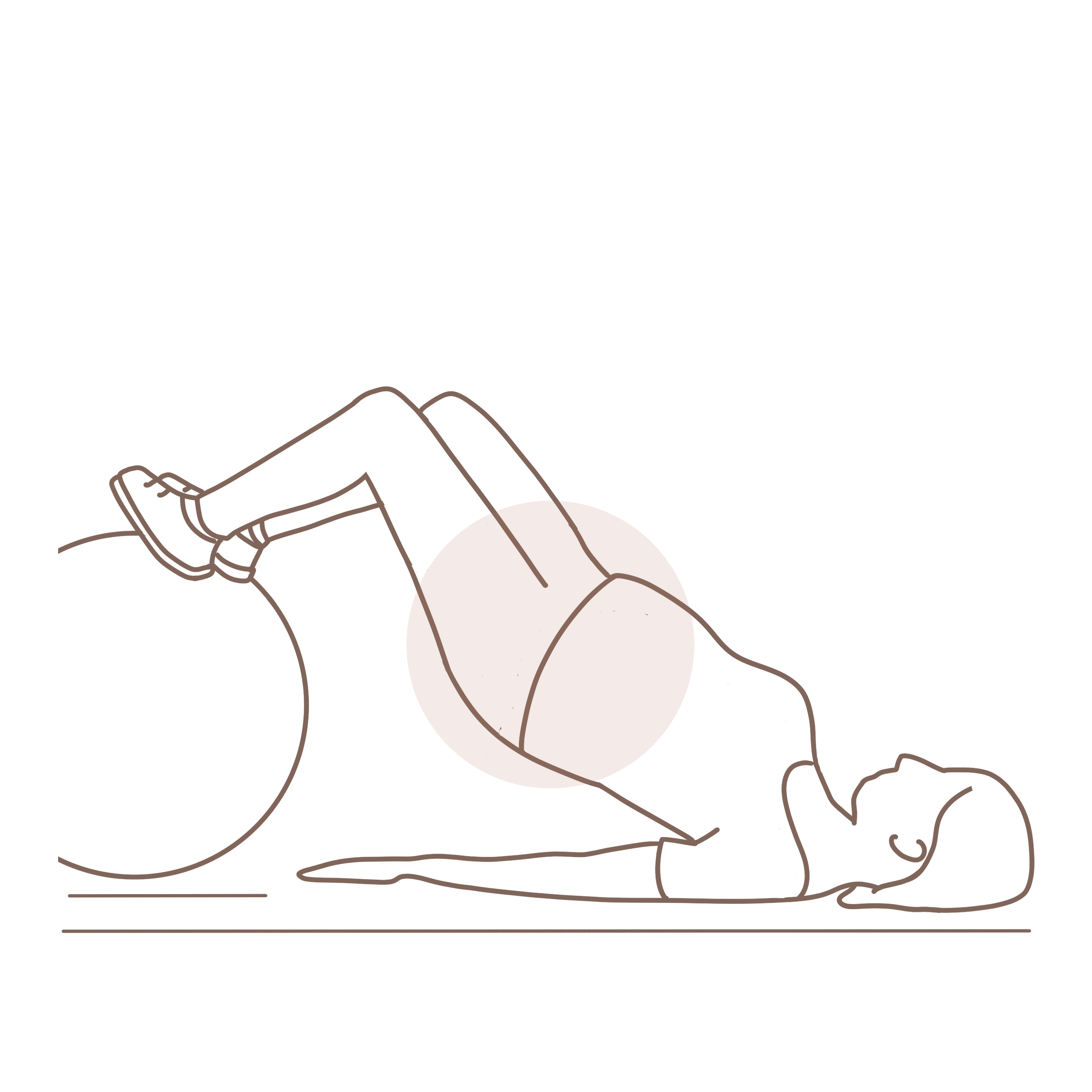
As estrogen levels decrease in the female body during menopause, this causes many symptoms such as hot flashes, mood swings, fatigue, vaginal dryness, and muscle loss, including the muscles of the pelvic floor. Loss of pelvic floor muscles can increase the risk of incontinence and prolapse. Therefore, strengthening pelvic floor muscles is crucial during menopause.
-
As we age, the pelvic floor—muscles and connective tissues that support the bladder, bowels, and reproductive organs—naturally becomes weaker and less elastic. Muscle loss, reduced collagen, hormonal changes (especially after menopause), and slower nerve signaling can reduce support and control, leading to issues like urinary leakage, pelvic pressure or prolapse, bowel control changes, and reduced sexual sensation. These changes are influenced not only by age but also by lifetime stresses such as childbirth, chronic straining, coughing, or heavy lifting. Importantly, pelvic floor problems are not inevitable: staying active, avoiding excessive strain, maintaining a healthy weight, and doing proper pelvic floor exercises can help preserve strength and function at any age.
What other support do you need?
-
![a woman who requires fertility support]()
Fertility support
-
![a woman holding newborn after birthing]()
Preparation for birthing
-
![a woman breastfeeding her infant]()
Postpartum rehabilitation
-
![a c-section scar on a woman's abdomen]()
C-section scar release
-
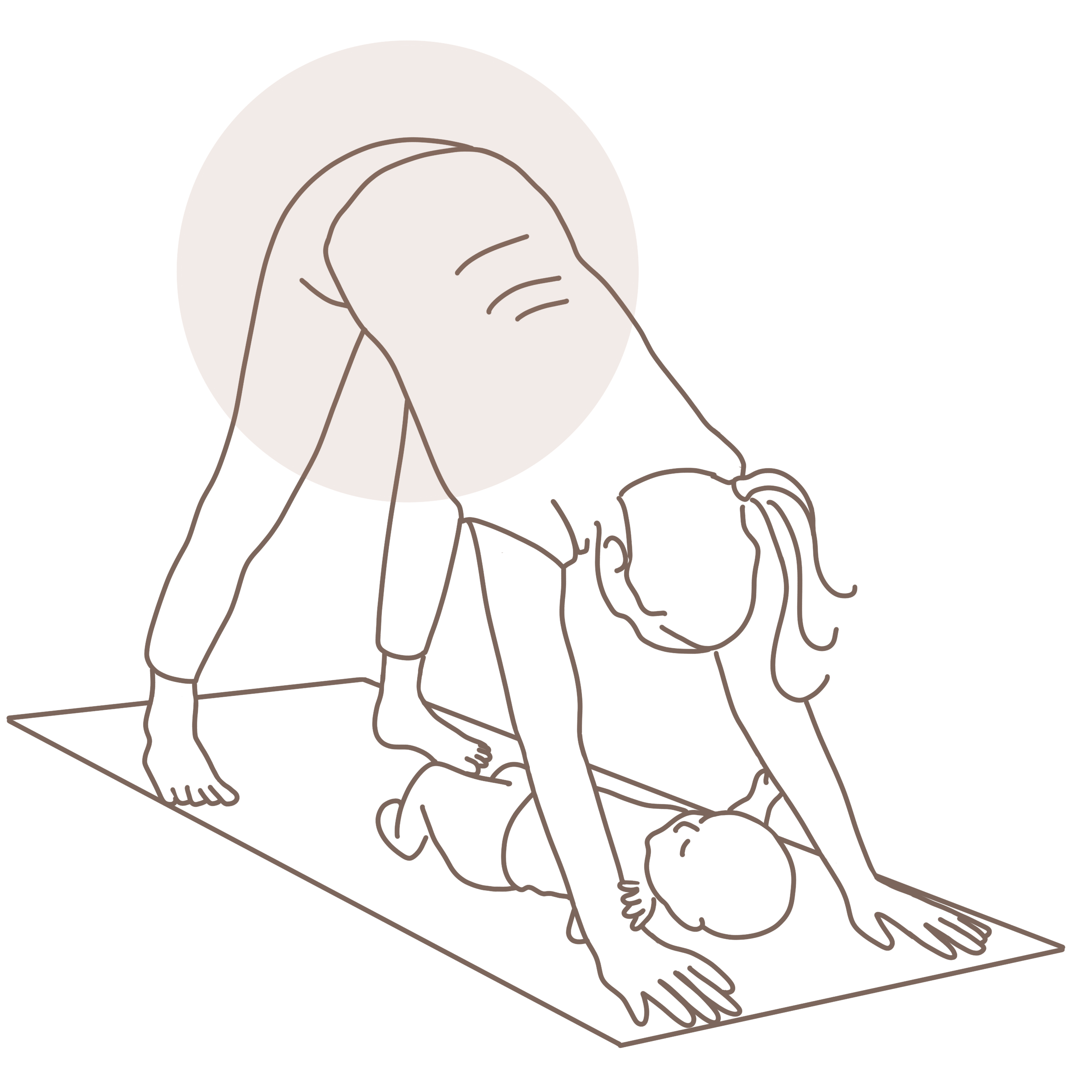
![a woman doing exercise with her baby lying on the exercise matt]()
Safe return to exercise
-
![a woman lying in bed recovering from a hysterectomy]()
Recovering post-hysterectomy
-
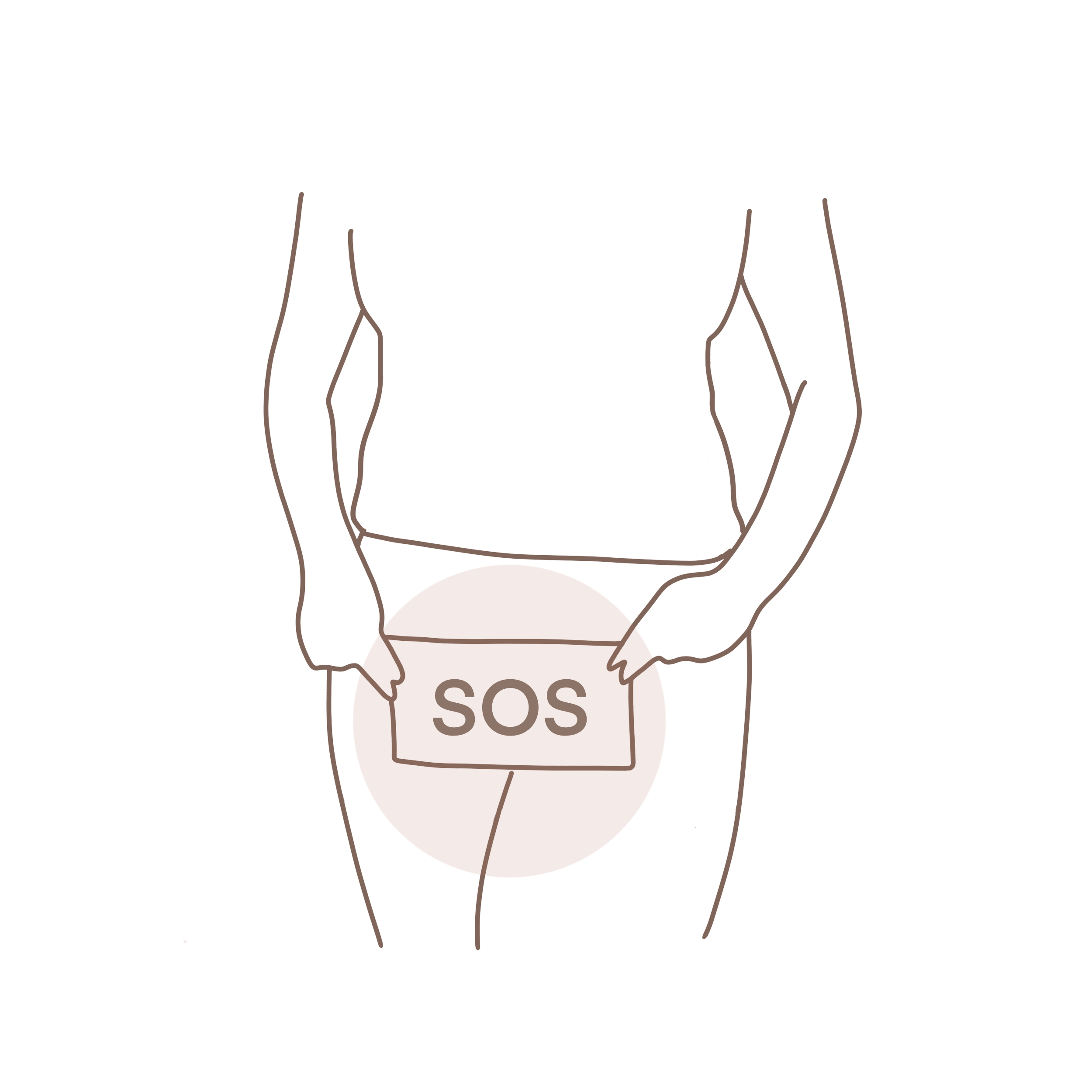
![a woman holding an SOS sign over her bladder]()
Help with urge and leaking issues
-
![a woman sitting on the edge of her bed with her partner in the background]()
Solving painful penetrative sex
-
![a woman with pelvic organ prolapse]()
Support for pelvic organ prolapse
-
![a woman holding back in pain]()
Resolving pregnancy pain
-
![a woman's painful feet]()
Relieving feet pain