services
Pelvic physiotherapy to resolve pregnancy pain
-
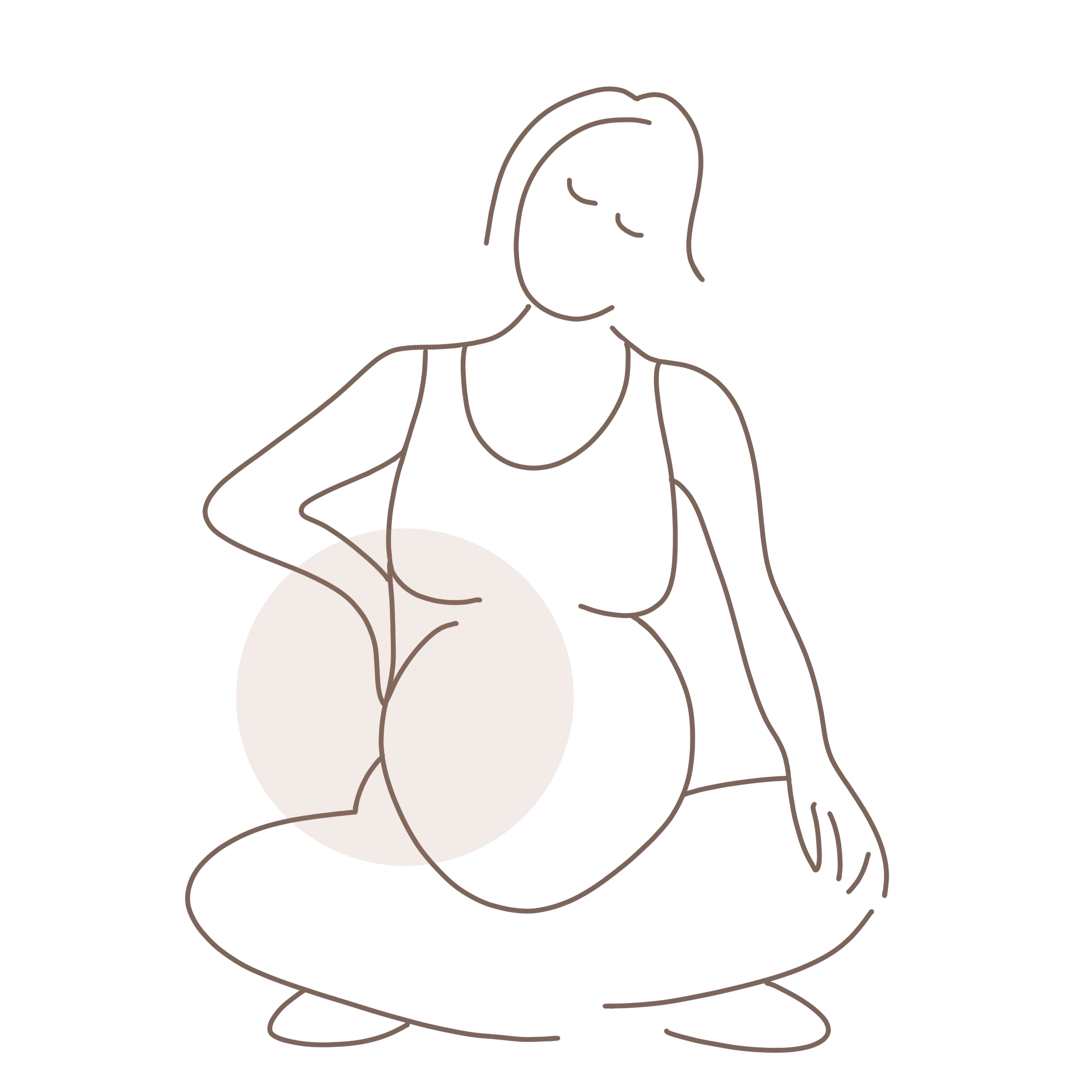
A pelvic physiotherapist can help reduce your pregnancy pain by using various manual therapy techniques, providing specific movement strategies, and prescribing a therapeutic exercise program that includes strengthening as well as nerve calming exercises.
-
Yes. Pain usually occurs in the low back, the sacroiliac joint (one or both sides of the back of the hip), in front of the thighs and groin (the round ligament), and in the pubic symphysis (crotch area).
-
The body goes through dramatic changes during pregnancy. The pelvis widens to accommodate the growing baby and to prepare for childbirth. The low back deepens its curve as the belly and breasts increase in size. Subsequently, the muscles and connective tissues that attach to these structures also have to stretch and work harder to maintain balance and support. The muscles can over-activate to support this increasing load and go into spasm causing pain. At the same time, the nerves that are embedded in the fascia under the skin also get stretched out, causing irritation.
-
Pregnancy pain can get triggered with movement such as turning in bed, getting in and out of bed, excessive walking, lying on the side, lifting, and bending. These symptoms usually arise in the second and third trimester and typically will decrease shortly after delivery. However, they can also persist or worsen if there is a birth injury.
-
Stressors to the nervous system also play a critical role in the experience of pain during pregnancy. Since pregnancy itself is a tremendous stressor to the body, any other stressors such as strenuous work, commuting, renovation, house moving, and getting married can also put further strain on the body and the nervous system. These additional strains can make the pain feel much worse.
What other support do you need?
-
![a woman who requires fertility support]()
Fertility support
-
![a woman holding newborn after birthing]()
Preparation for birthing
-
![a woman breastfeeding her infant]()
Postpartum rehabilitation
-
![a c-section scar on a woman's abdomen]()
C-section scar release
-
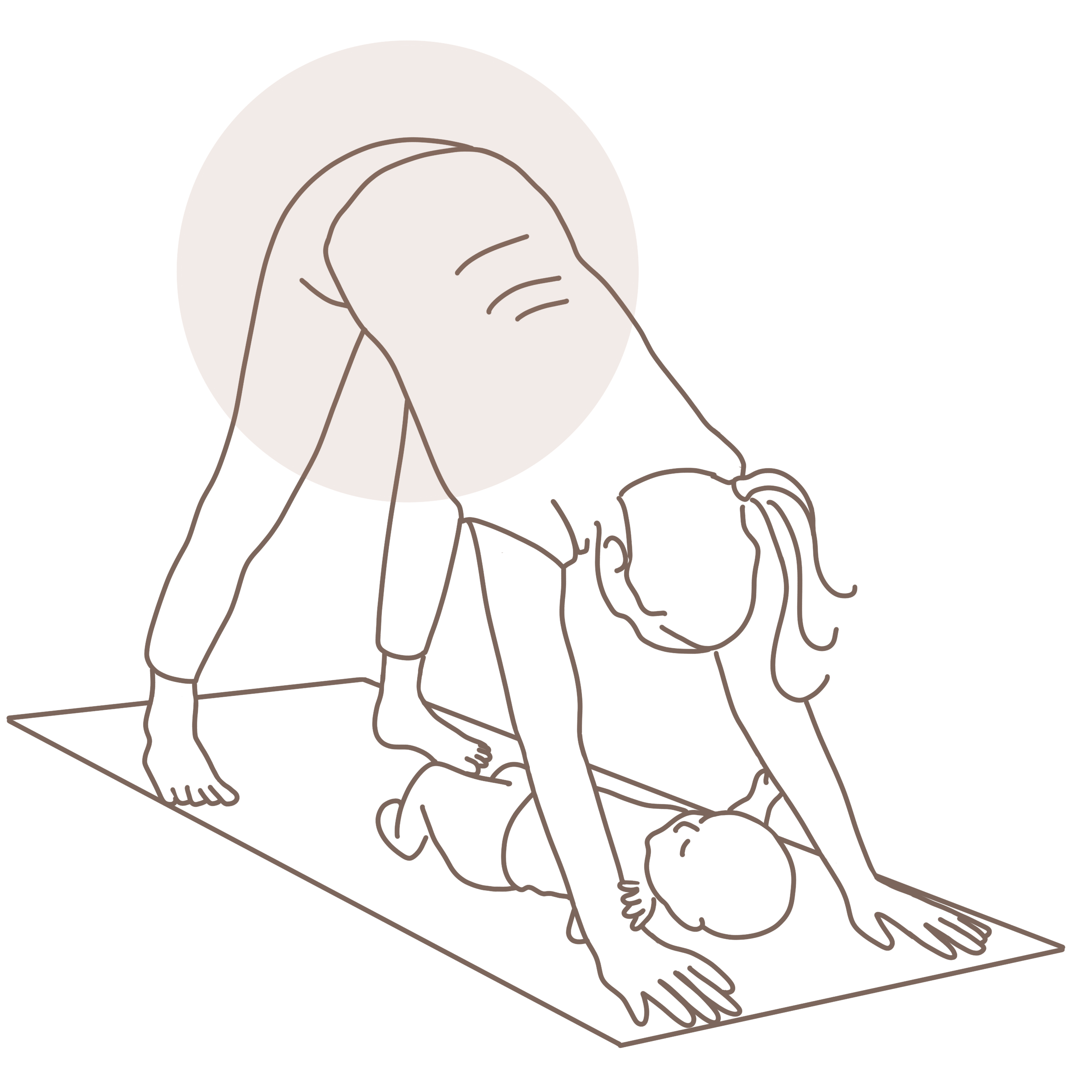
![a woman doing exercise with her baby lying on the exercise matt]()
Safe return to exercise
-
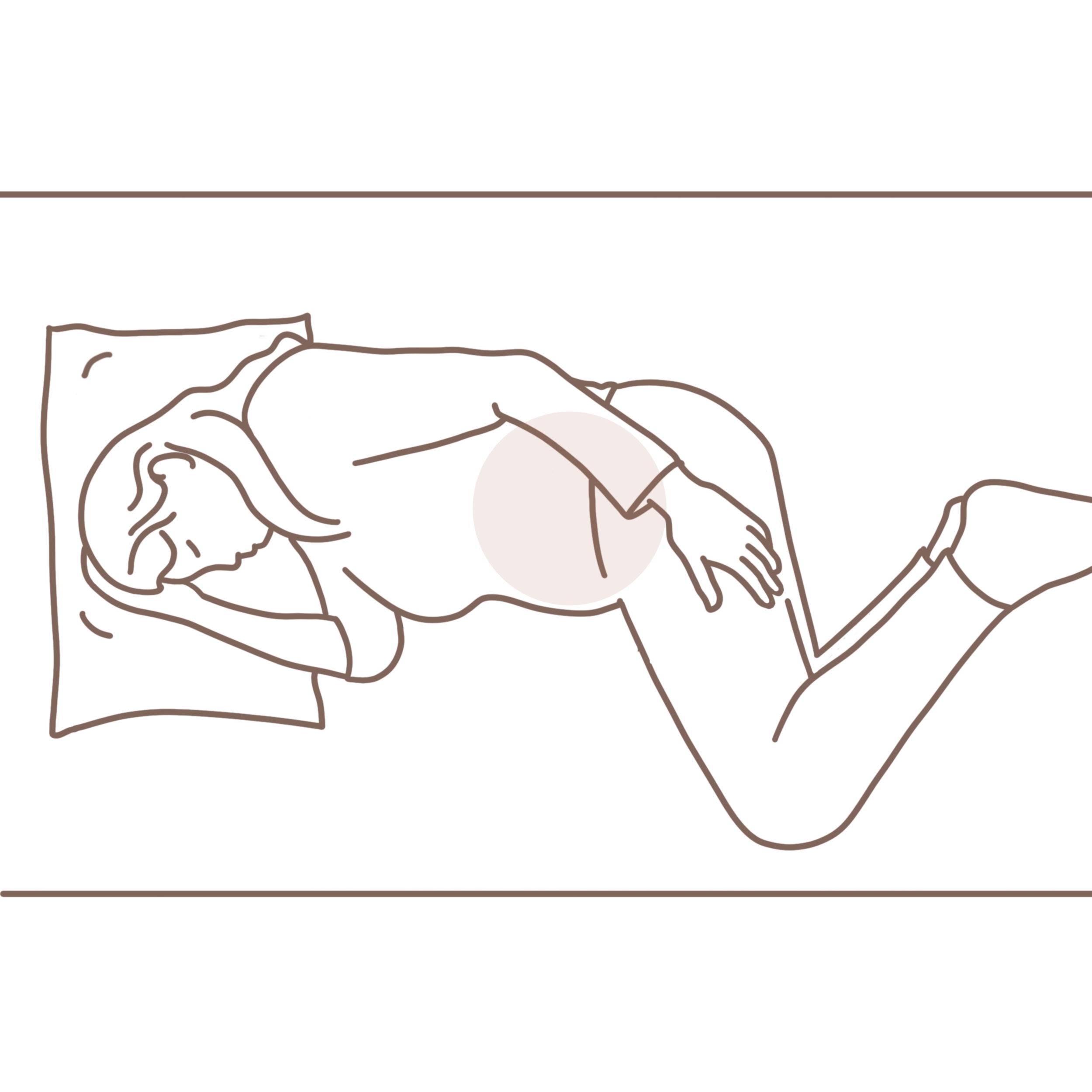
![a woman lying in bed recovering from a hysterectomy]()
Recovering post-hysterectomy
-
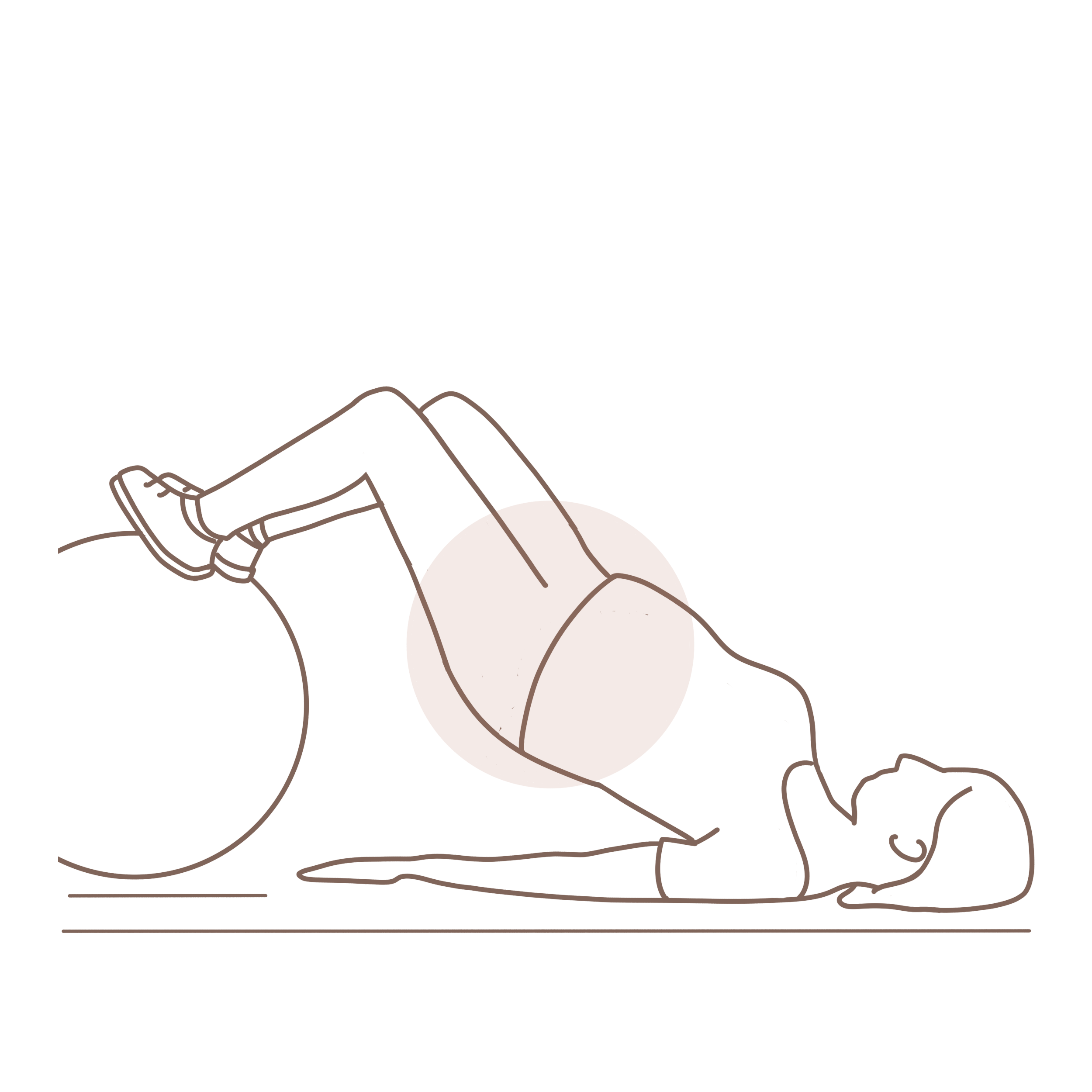
![a woman lying on her back with her feet on an exercise ball doing pelvic lifts]()
Pelvic care for menopause/aging
-
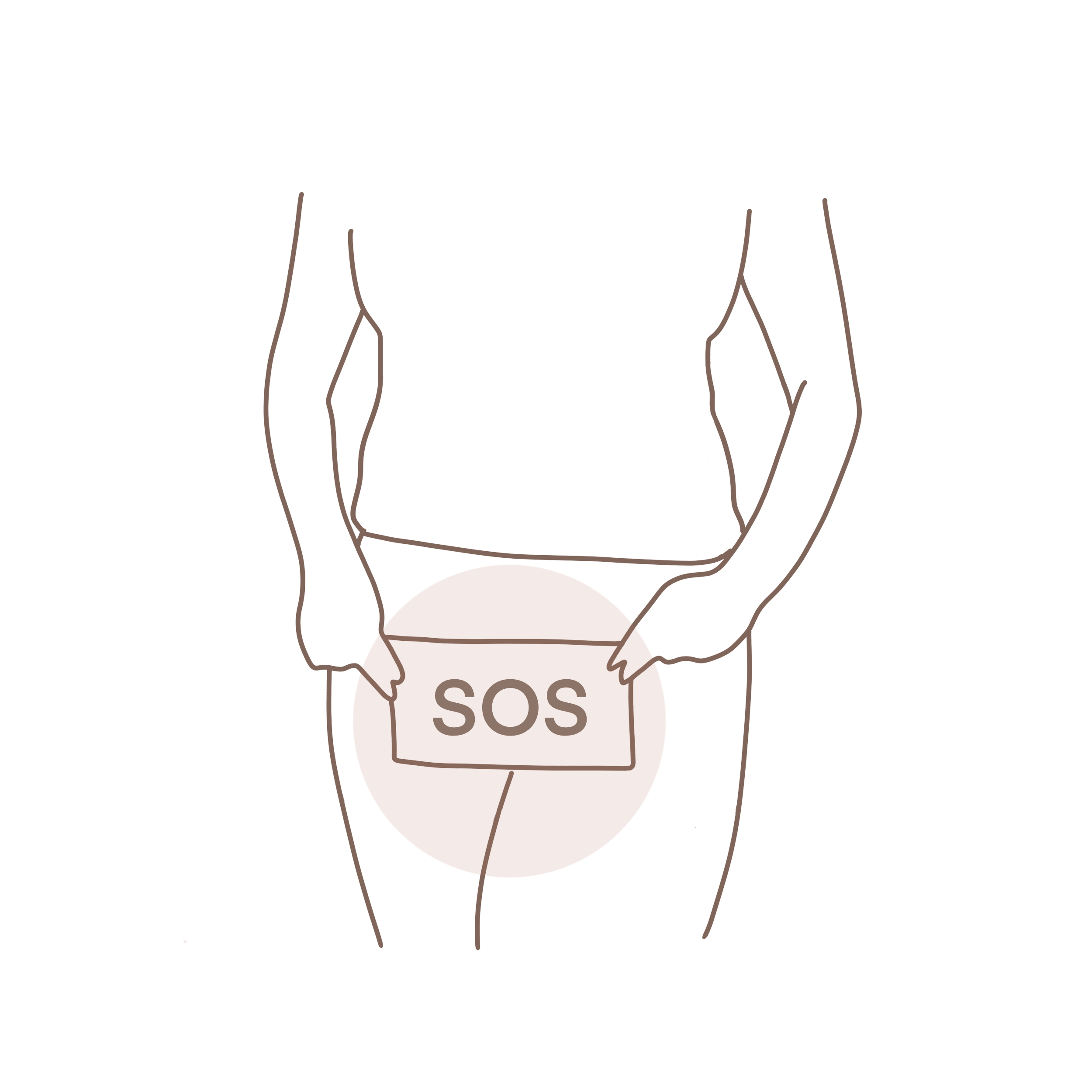
![a woman holding an SOS sign over her bladder]()
Help with urge and leaking issues
-
![a woman sitting on the edge of her bed with her partner in the background]()
Solving painful penetrative sex
-
![a woman with pelvic organ prolapse]()
Support for pelvic organ prolapse
-
![a woman's painful feet]()
Relieving feet pain