services
Postpartum rehabilitation
-
Typically around 6-8 weeks postpartum. However, if you experience issues like low back pain, pubic pain, or hip pain that need attention earlier, you are welcome to come in sooner.
-
Every postpartum mom deserves pelvic care. Many people are surprised to learn that changes to the pelvic floor can happen during pregnancy, not just during childbirth. No matter how you deliver, if you've been pregnant, your abdominal muscles, pelvic floor, and supporting muscles undergo significant changes to accommodate a growing baby. In physiotherapy, I evaluate the strength of these muscles after birth and show you how to restore their strength and function so you can return to doing everything you enjoy—and feel good while doing it.
-
Pelvic physiotherapy helps manage diastasis recti by safely rebuilding strength and coordination in the deep core and pelvic floor muscles, rather than focusing only on closing the abdominal gap. A pelvic physiotherapist provides an individualized assessment and guides gentle, progressive exercises, along with breathing, posture, and movement strategies that reduce strain on the abdominal wall. Therapy also teaches how to use the core correctly during daily activities like lifting, getting out of bed, and returning to exercise. Overall, pelvic physiotherapy supports healing, improves core function and comfort, and helps people feel stronger and more confident in their bodies as they return to everyday life
What other support do you need?
-
![a woman who requires fertility support]()
Fertility support
-
![a woman holding newborn after birthing]()
Preparation for birthing
-
![a c-section scar on a woman's abdomen]()
C-section scar release
-
![a woman doing exercise with her baby lying on the exercise matt]()
Safe return to exercise
-
![a woman lying in bed recovering from a hysterectomy]()
Recovering post-hysterectomy
-
![a woman lying on her back with her feet on an exercise ball doing pelvic lifts]()
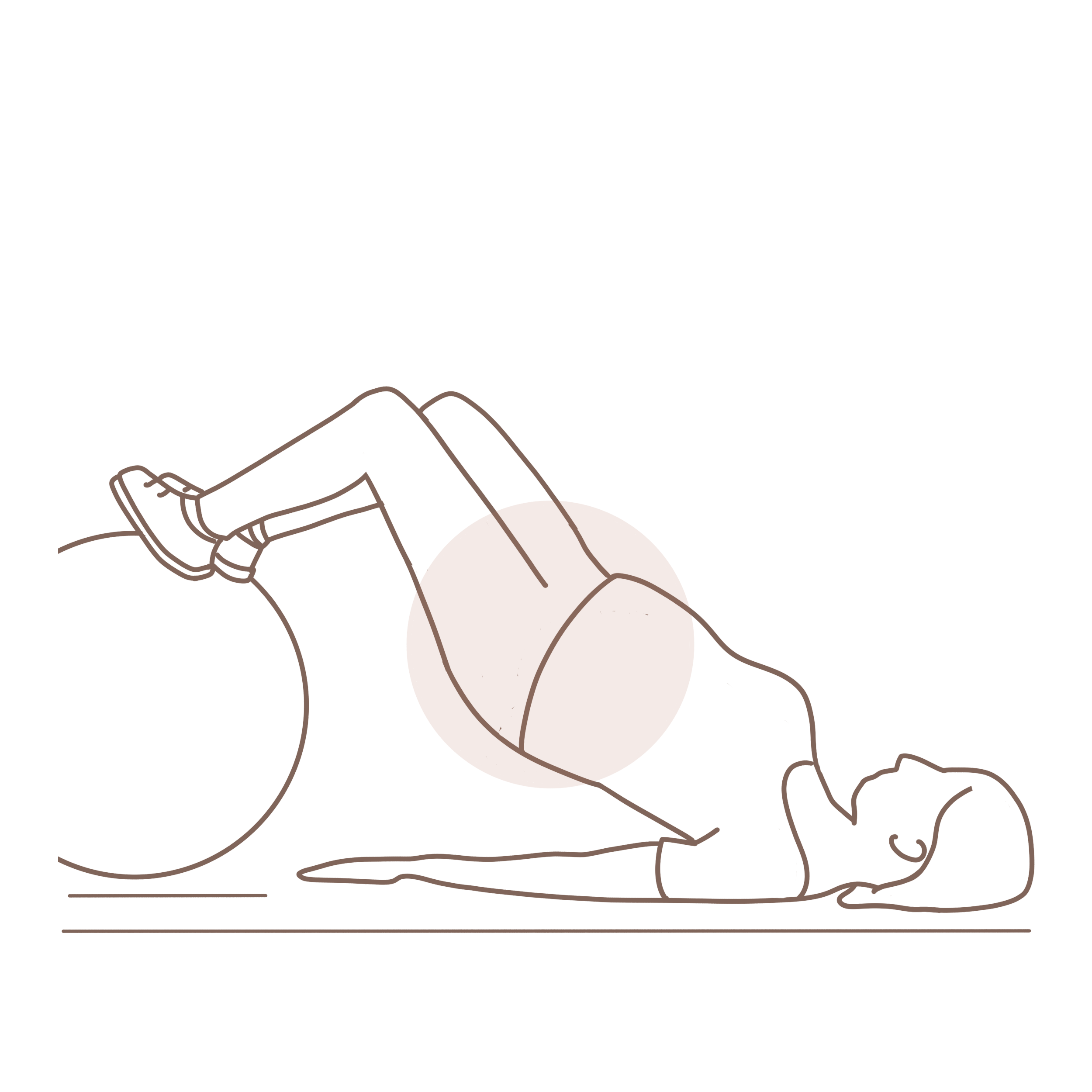
Pelvic care for menopause/aging
-
![a woman holding an SOS sign over her bladder]()
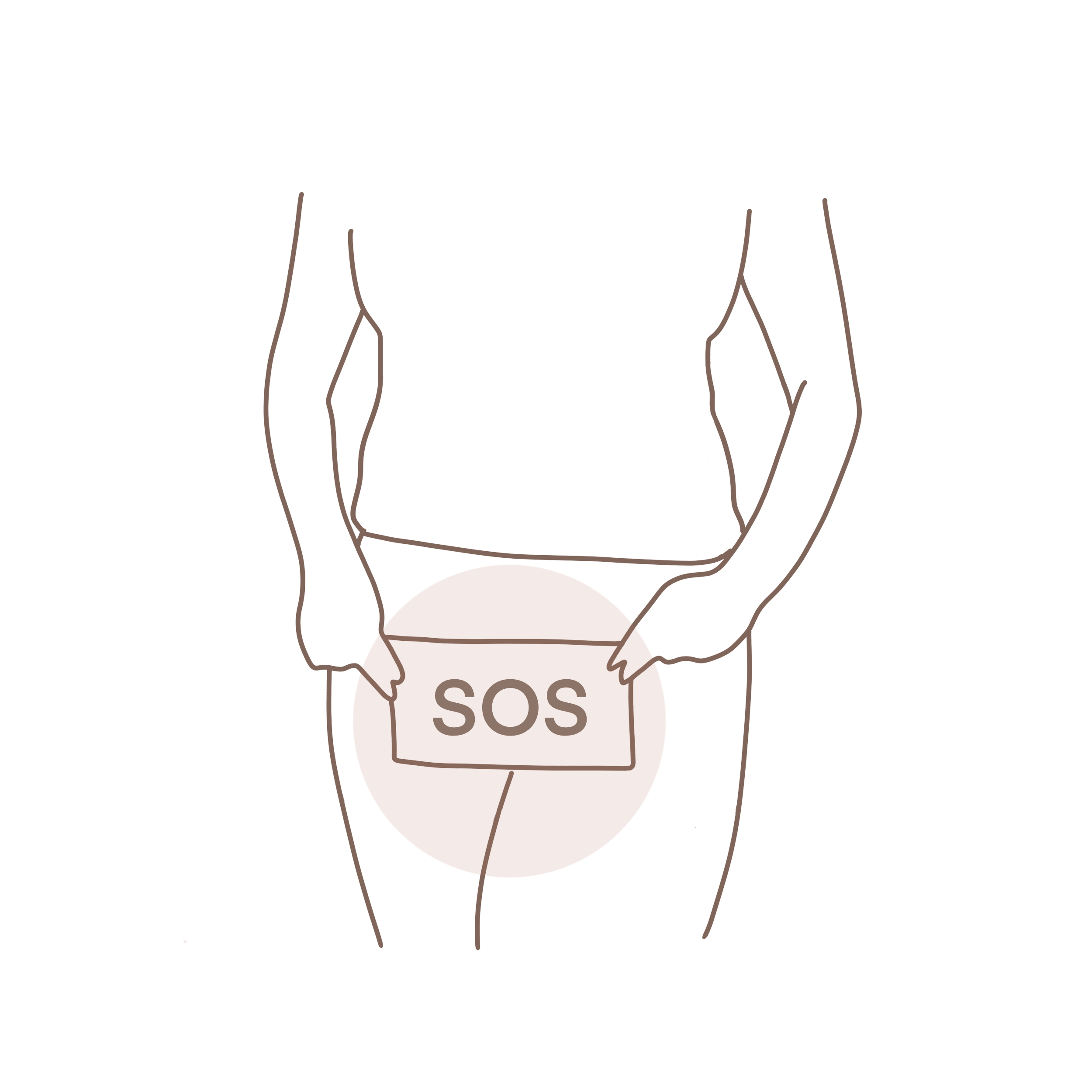
Help with urge and leaking issues
-
![a woman sitting on the edge of her bed with her partner in the background]()
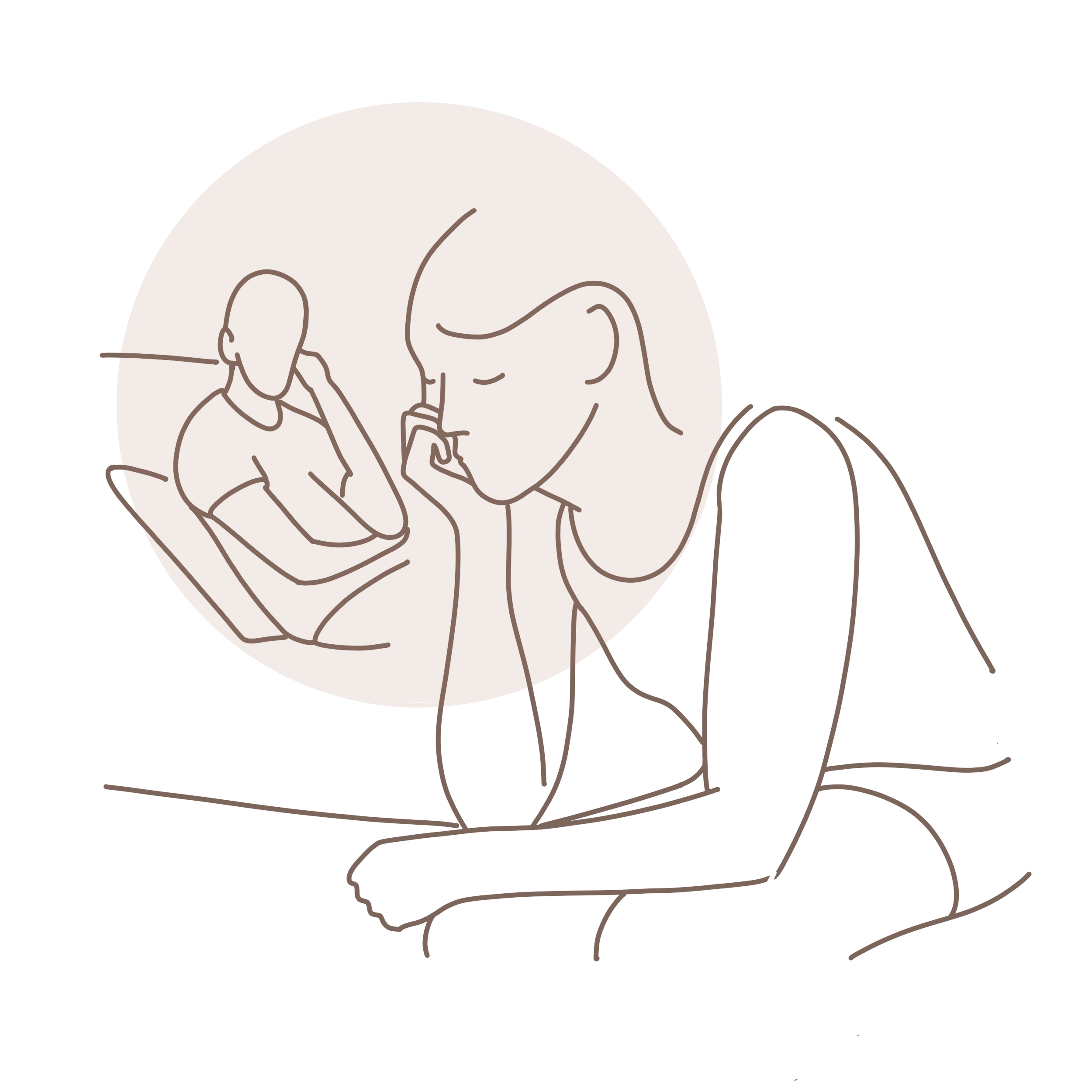
Solving painful penetrative sex
-
![a woman with pelvic organ prolapse]()
Support for pelvic organ prolapse
-
![a woman holding back in pain]()
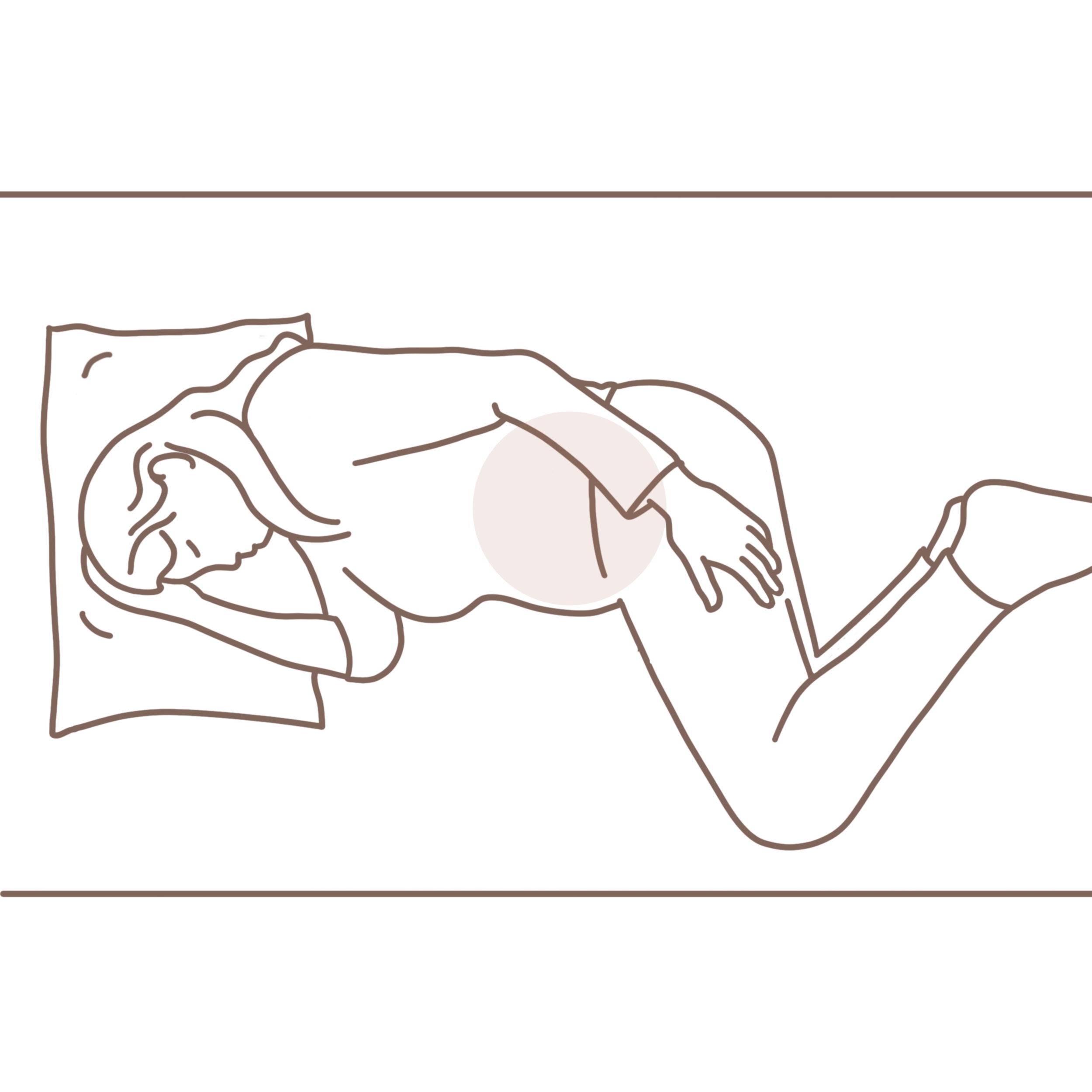
Resolving pregnancy pain
-
![a woman's painful feet]()
Relieving feet pain